

Continuing my push for the truth and against lazy, ignorant bigots in Singapore, here's another inconvenient fact about Air India – which is going to be particularly stinging to all the fools quoting Lee Kuan Yew's opposition to Singaporean investment in the airline in 2001:
Lee Kuan Yew used to love flying with Air India.
I'm sure this is a tragic discovery for all those claiming that a private airline business in India is surely doomed to failure and endless unprofitability, that nobody could possibly ever hope to turn around.
And yet, between the 1950s and early 1980s, Air India was the premier Asian airline, internationally recognised for its high standards and innovativeness.
In many ways it was like Singapore Airlines, pioneering the idea of being a flying advertisement for the country.
And just like SIA later, it strived to bring new features to its customers whenever a possibility appeared. In 1960, it became the first Asian airline to begin flying a passenger jet, the Boeing 707, and just two years later was the first airline anywhere in the world to fly an entirely jet-powered fleet.
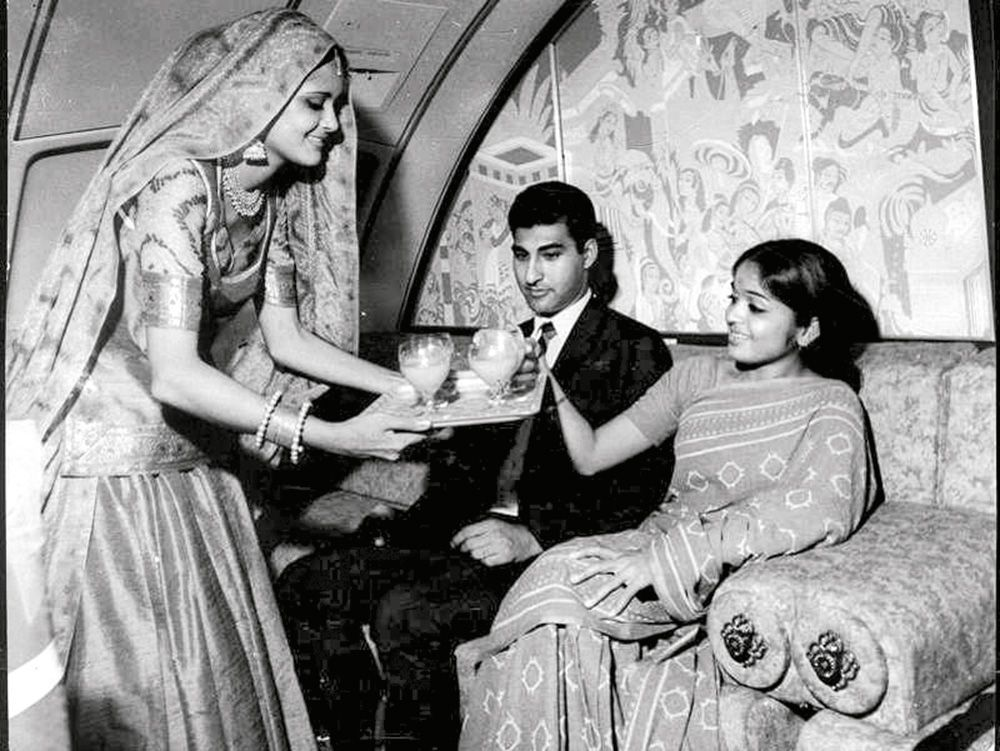
The "Singapore Girl", that SIA is now known for, was first conceived by Air India in 1960, when it broke with the standard of having staff dressed in Western clothing and, instead, had them draped in sarees, serving passengers in Indian-themed interiors.
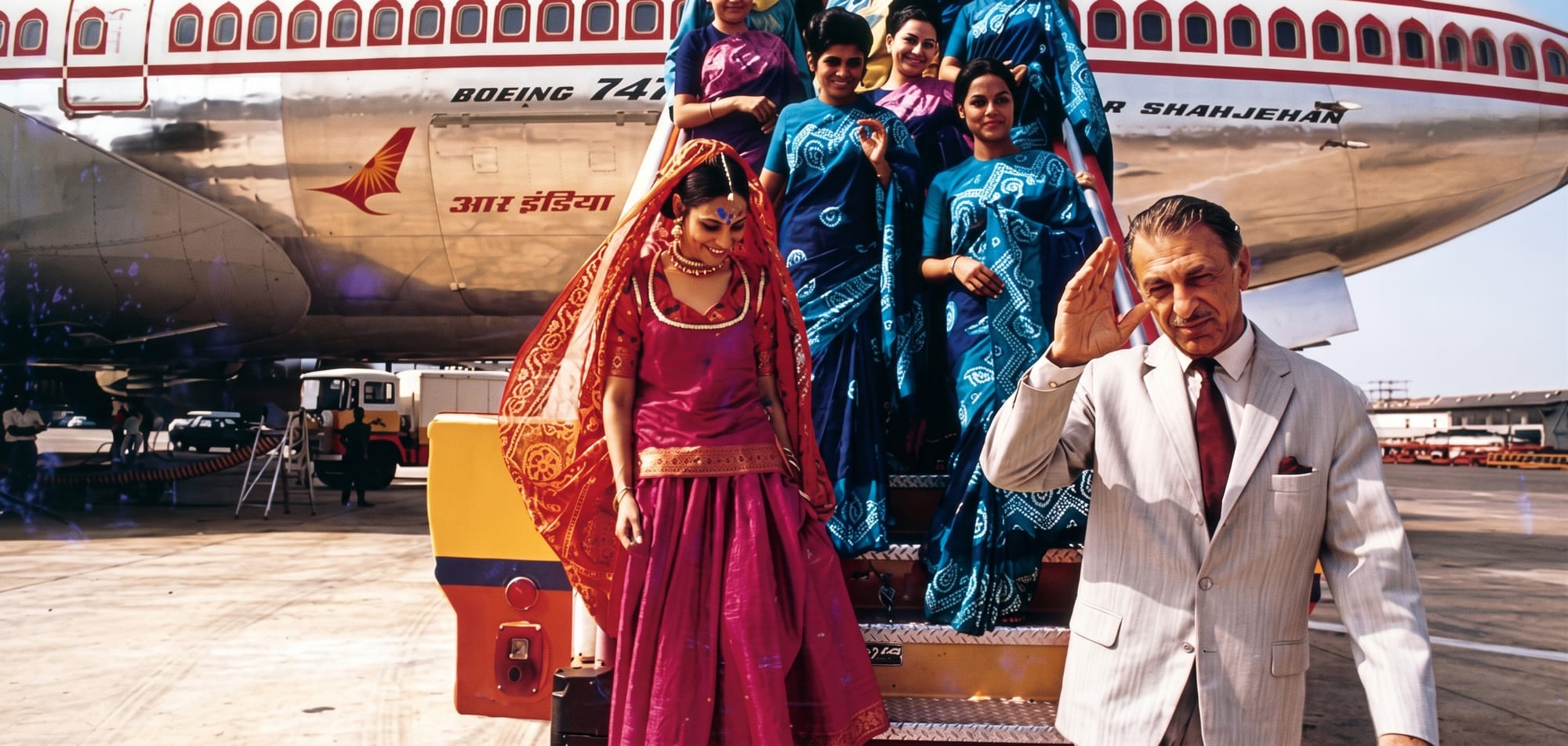
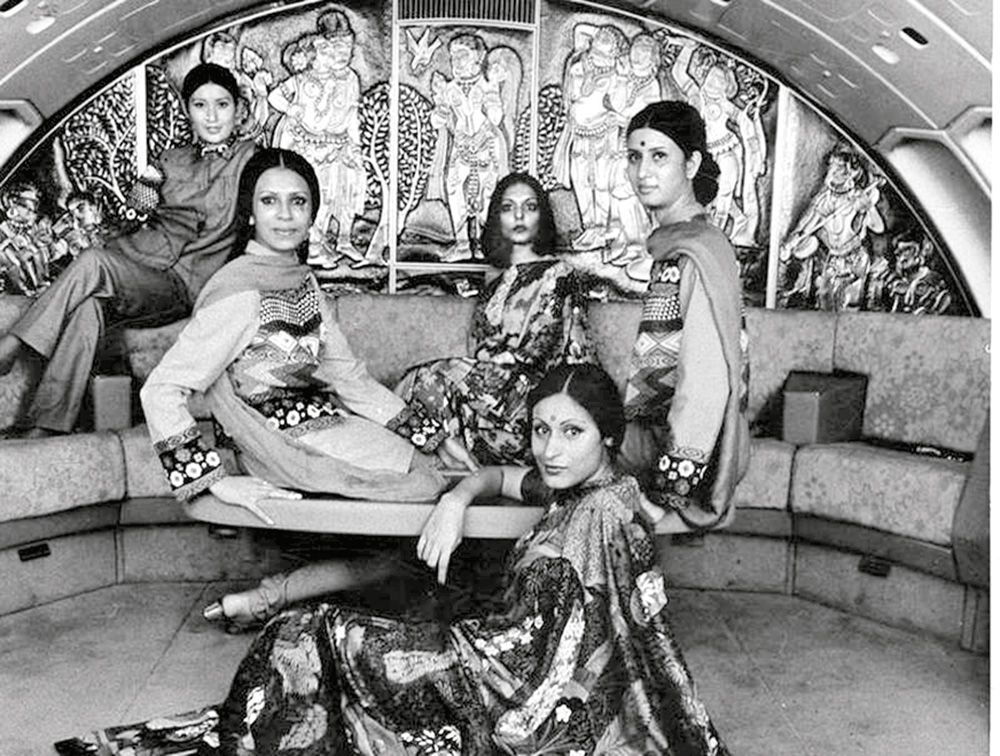
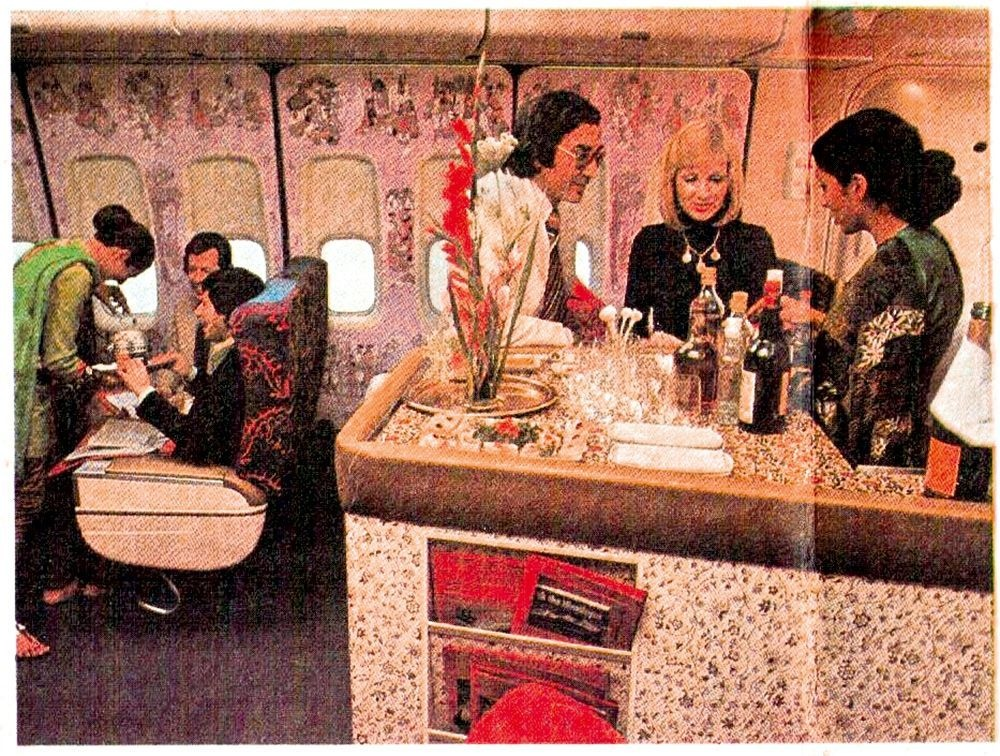
And, again, like Singapore Airlines with the Concorde or the A380, Air India was among the first operators of the Boeing 747 and in 1971 launched the "Palace in the Sky" concept for premium travellers – much like modern airlines are now trying to woo high-paying customers to their luxury first class, suites or residences.
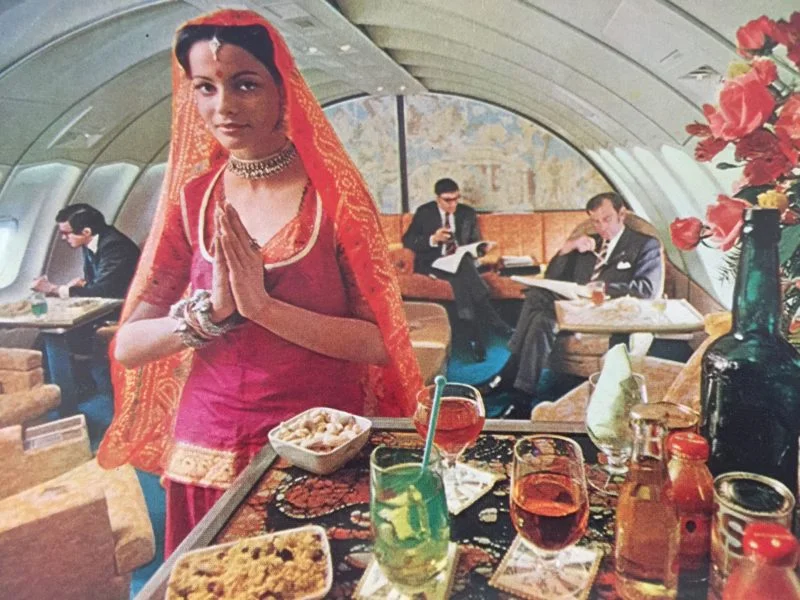
It is therefore no surprise that Lee Kuan Yew himself "requested to be booked on Air India flights", as recounted by S.R.Nathan in Looking East to Look West: Lee Kuan Yew's Mission India
The author of the book, published by Penguin and Singapore's Institute of Southeast Asian Studies (ISEAS) in 2009, cites several other examples of the admiration of LKY and the preference that Singapore's elite had for Air India at the time (lamenting its later slide):
"...Lee protested that Air India had not been offered shares in the new
Singapore-registered Malayan Airline in which BOAC and Qantas
held 51 per cent equity. Singapore dignitaries flew Air India because
it was the best. Yet, it was excluded in favour of the white-owned
airlines when it came to ownership."
"He saw the decline of Air India, once one of the world’s finest carriers, as symptomatic of the Indian state. He said everything that many Indians grumbled about, and more. He stayed away for years. But he did not ever abandon the idea of India."
As you can see, then, India can very much provide exceptional service and it is not doomed to forever be a losing bet for Singapore (or anybody else). Lee Kuan Yew was very well aware of that himself.
The country's flagship airline was respected, innovative, offered great service and was doing well financially, becoming an inspiration to those which followed it – including Singapore Airlines, which it reportedly offered some assistance in the very early years (although the details on how broad it was remain murky, with anecdotes mentioning technical assistance as well as crew training).
So, what happened to the company?
Air India was nationalised quite early, in 1953, but requested JRD Tata to stay as its chairman for another 25 years – its golden age. As the founder, even if no longer the owner, he was more invested in the company's success than a government-appointed executive would be.
Alas, in 1978 he was pushed out for poorly substantiated reasons, bringing its best era to an end.
What followed was backsliding typical of government-owned corporations – inefficiencies, corruption and entitlements, which began weighing on performance and trust in the brand.
This is why, when SIA and Tata were considering placing a joint bid to acquire 40% of Air India in 2001, Lee Kuan Yew advised against it, arguing that a minority stake – with a still significant government share – was not going to allow a successful turnaround.
Eventually, after nearly 70 years, Air India returned to its founders – the Tata family – after being completely privatised in 2022.
And it is in this context that Singapore Airlines acquired a 25% stake in it – circumstances which were quite different from those Lee Kuan Yew warned about more than 20 years earlier.
In reality, SIA did in India exactly what LKY advised should be done.
But I am going to cover this part in a separate article.


